
Key Takeaways
Improving your search visibility requires a blend of technical accuracy and community-focused outreach. These core principles help you capture more qualified traffic and convert visitors into long-term customers.
- Align website content with specific user intents to improve relevance.
- Maintain consistent business information across all major digital platforms.
- Build local authority through genuine networking and community engagement.
- Use structured data to help search engines understand your location.
- Regularly review performance metrics to refine your digital growth strategy.
Understanding the local search landscape in Longmont
Navigating the digital space in a city like Longmont requires a deep awareness of how residents use search engines to find services. When businesses at Imagine Digital evaluate the local market, they look at how intent drives rankings and how visibility impacts the bottom line. Taking a strategic approach to search helps smaller organizations outpace larger, less targeted competitors in the region.
The importance of localized search intent
Most customers today search with a specific need and a desire for immediate, nearby solutions. Understanding that search intent is local allows business owners to tailor their content to solve immediate problems, which is where specialized assistance like an SEO audit for your Longmont, CO business can provide vital diagnostic clarity. When your content maps directly to a user’s question, you earn more trust and better positioning.
Competitive factors of the Longmont market
Success in this market often depends on identifying gaps that larger regional players miss. By analyzing SEOlium’s market-share analysis, business owners get a realistic view of how their domain visibility compares to neighbors in specific zip codes. It is crucial to recognize that local market dominance requires surgical precision rather than broad, unfocused campaigns.
How Google Maps influences local traffic
Google Maps acts as a primary discovery tool for new customers who are ready to visit or call a business immediately. To help visualize the impact of these map listings, we have compiled the following common traffic indicators for local service providers.
| Traffic Metric | Purpose | Competitive Weight |
|---|---|---|
| Map Views | Track discovery frequency | High |
| Driving Directions | Measure physical interest | Very High |
| Phone Calls | Capture direct leads | Very High |
Maintaining these signals is essential for sustained visibility in map packs. This structured approach helps ensure that you are not just getting views, but actual business inquiries that convert into revenue.
Optimizing your Google Business Profile for local rankings
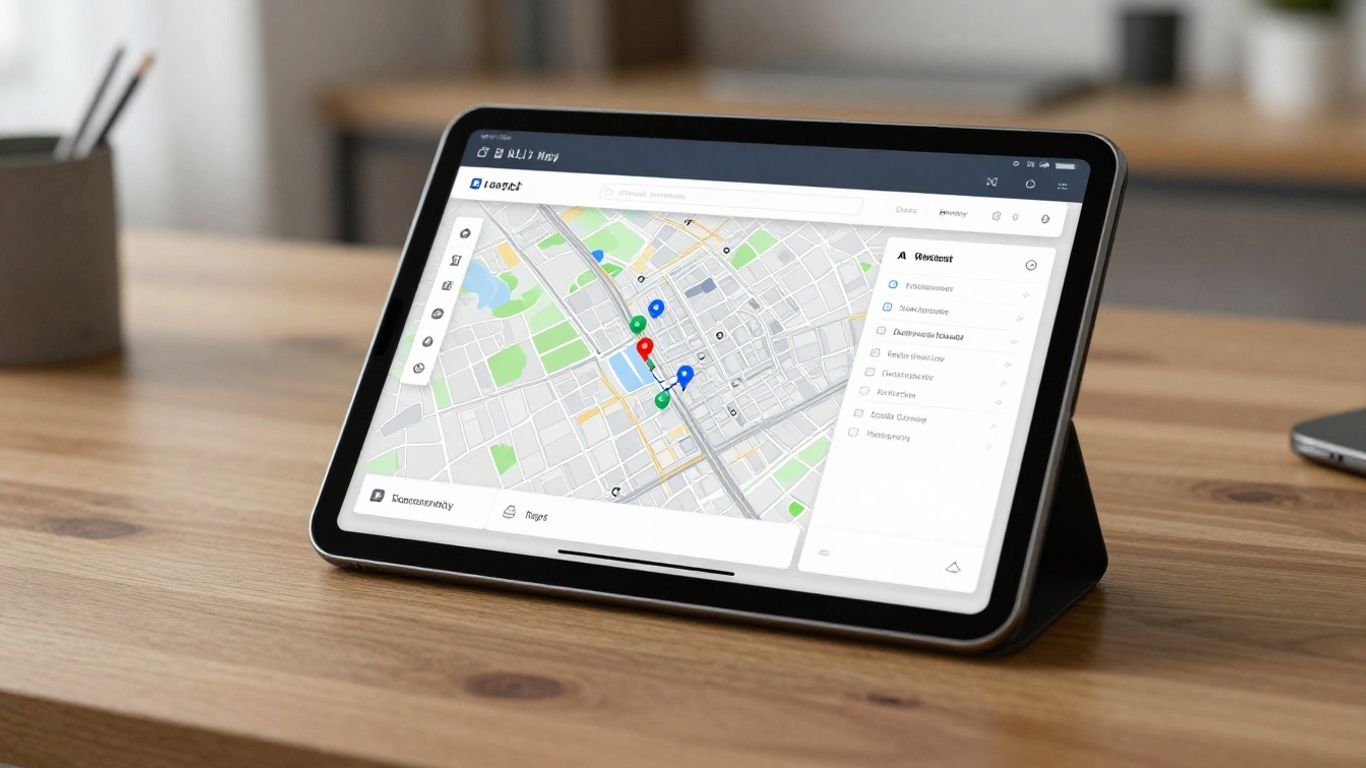
Establishing a presence on Google starts with a verified and thoroughly optimized profile. For many local companies, this is the first point of contact, and ensuring accuracy here builds immediate credibility with potential clients. A well-managed profile acts as your virtual storefront and is critical for appearing in the ‘Map Pack’ search results.
Verifying your business for local credibility
Verification via the official Google process is non-negotiable for anyone serious about local search. This step confirms your legitimacy to the search engine, which in turn boosts your standing when local users query relevant services in their immediate area. Without this confirmation, your business may remain invisible to search algorithms, effectively cutting off a vital stream of new inquiries.
Managing citations and NAP consistency
Your Name, Address, and Phone number (NAP) must be identical across every directory on the web to avoid confusing search engines. If your information varies, it sends conflicting signals about your location, which often leads to poor placement in local results. Keep the information uniform to prevent ranking penalties that could otherwise be avoided.
Strategies for accumulating authentic reviews
Customer feedback is a powerful trust signal that influences both human behavior and search engine ranking algorithms. Encourage your most satisfied clients to leave detailed feedback about their specific experience, as this provides search engines with valuable context about your service quality. Avoid shortcuts like purchasing reviews, as these can severely damage your digital reputation over time.
On-page SEO techniques for local service areas
When your website is configured correctly, it acts as a 24/7 digital representative for your team. The team at Imagine Digital focuses on ensuring that every landing page delivers a clear message and technical value to visitors. Beyond basic content, you must optimize the structural elements of your site to signal your geographic relevance to search crawlers effectively.
Crafting location-specific landing pages
Treat each service area with unique content rather than duplicating pages across your site. When you provide custom information for residents in surrounding districts, you improve your chances of ranking for multi-city queries. This creates a more personalized experience, which is a key component of Analytive’s expert SEO services for service-based companies.
Integrating local keywords into meta data
Place your city and service identifiers naturally within titles and meta descriptions to help users choose your link over others in the results list. While these elements are small, they exert a massive influence on the click-through rates your pages receive. Avoid keyword stuffing, as the priority should always be clarity for both the search engine and the actual human researcher.
Schema markup for local businesses
Schema provides a standardized way to label your data so that machines know exactly who you are, what you offer, and where you are located. Implementing this code allows Google to surface your business details directly within the search snippets, effectively granting you more screen real estate. This technical detail is often the differentiating factor between businesses that rank well and those that struggle to break onto the first page.
Off-page tactics to build local authority

Building authority happens outside your own domain through relationships and consistent brand presence in your city. By demonstrating your commitment to the community, you naturally accrue the signals needed to outrank competitors who only focus on internal website edits. This strategy is essential for establishing long-lasting trust with your target audience.
Networking with other Longmont businesses
Local partnerships can lead to high-quality referral traffic and valuable backlinks that strengthen your domain authority. When you collaborate with non-competing businesses on cross-promotions, you expand your reach across the local network. These relationships serve as a validation of your business, which search engines recognize as a vote of confidence.
Leveraging local press and media mentions
Regional news outlets and blogs often look for local experts to quote, which provides an excellent opportunity for high-quality press coverage. When a respected local platform links back to your site, it acts as a powerful endorsement that boosts your site’s legitimacy. Always aim to provide value to journalists so that they continue to view your business as a reliable resource for future stories.
The role of local community involvement in SEO
Active participation in local events and charities builds your reputation and creates natural opportunities for web mentions. Search engines value these signals because they confirm that your business is deeply rooted in its physical location. This real-world commitment is reflected in your search visibility, as your brand name becomes synonymous with providing excellent services within your specific market.
Avoiding common SEO mistakes for Colorado small businesses
Many businesses attempt to scale their search visibility too quickly, often utilizing tactics that provide temporary gains at the cost of long-term stability. Maintaining a stable growth trajectory requires careful adherence to search engine guidelines. Recognizing these pitfalls early saves significant time and budget compared to the effort required to fix damaged domain authority later.
Over-optimization of local anchor text
It is tempting to use exact-match keywords in every link, but this often signals spam to search algorithms. Instead, balance your anchor text by using a mix of branded, generic, and natural descriptors to ensure a healthy link profile. Over-reliance on a single phrase can lead to algorithmic triggers that restrict your rankings across all target terms.
Ignoring mobile user experience
Since a high percentage of local queries originate on smartphones, your mobile environment must be just as fast and intuitive as the desktop site. If your navigation is clunky or your layout breaks on mobile screens, visitors will abandon your page immediately. Prioritize mobile design to keep bounce rates low and engagement metrics high.
Inconsistent tracking and reporting metrics
If you lack a clear method for monitoring your results, you have no way of knowing which strategies actually drive profit for your business. By keeping citations consistent and focusing on meaningful conversion data, you avoid being misled by vanity metrics like raw impressions that do not lead to sales. Consistent monitoring is the only way to pivot your strategy as the search landscape shifts.
Choosing the right SEO partnership for your Longmont business
Partnering with a provider like Imagine Digital means prioritizing a clear strategy before moving into the execution phase. A successful partnership relies on transparency and a focus on long-term organic growth rather than quick, risky hacks. When evaluating your options, prioritize providers who show an interest in the actual business outcomes that matter to you.
Evaluating technical expertise versus local knowledge
Technical skill is important, but a provider that understands the local landscape is infinitely more valuable for a business in a specific region. You want an agency that knows which Longmont SEO tactics work best for your unique market conditions. They should be able to explain how their technical recommendations directly translate into increased visibility for your specific industry.
Red flags in local SEO agreements
Be wary of any agency that promises instant rankings or requires long-term commitments without showing transparent progress reports. Genuine growth is a measured process that involves regular testing and refinement based on actual performance data. If a provider cannot clearly explain how they intend to achieve your goals, it is likely they are relying on outdated or spammy techniques that put your business at risk.
Measuring ROI through local KPIs
Work with your provider to establish Key Performance Indicators that mirror your business objectives, such as form submissions, store visits, or phone inquiries. Aligning these numbers with your digital strategy ensures you can see the direct revenue impact of your marketing investment. This level of accountability creates a foundation for building a long-term partnership that yields sustainable results.
Conclusion
Succeeding in search requires a commitment to both technical precision and the ongoing nurture of community relationships. By focusing on your business profile, quality content, and ethical growth tactics, you ensure that your website remains an asset that consistently generates new leads. Stay consistent with your efforts, monitor your metrics frequently, and collaborate with partners who value long-term visibility over temporary gains.
Frequently Asked Questions
How long does it typically take to see results from local search optimization?
Local search improvements are rarely immediate, typically showing significant shifts within three to six months depending on your market’s competitiveness and your previous site history.
Is it necessary to have a physical office address in every city I serve?
While Google prefers a specific physical presence, many service providers can successfully rank by focusing on high-quality content and local relevance for their target service regions.
Can I manage my local SEO entirely on my own?
Business owners can manage foundational aspects independently, though complex technical audits, schema implementation, and competitive analysis often require professional guidance for sustainable results.
What should I look for when comparing different ranking agencies?
Look for providers who emphasize transparency, provide clear reporting on actual lead generation, and demonstrate a deep understanding of your specific industry and geographic market.
Does blogging help with my local rankings?
Consistent blogging about local events or industry-specific topics helps establish topical authority and provides ongoing opportunities to naturally include local keywords that searchers use.
What impact does social media have on local search rankings?
Social signals are not a direct ranking factor, but they do increase brand visibility and generate traffic, which both contribute to a stronger overall digital presence.
How do I correct inconsistent address information across the web?
Start by identifying your most important directory listings, then systematically claim and update your business profile on those sites to ensure the name, address, and phone number match exactly.
